
"Ethiopia Humbera 8.0"
20600 article(s) found
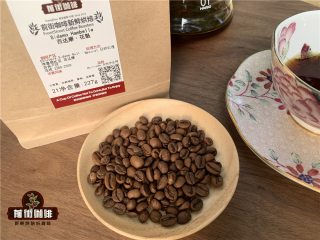
Sidamo Coffee learn more about all aspects of Sidamo Coffee
Sidamo grows in the southernmost Ethiopian plateau at an altitude of 4600-7200 feet (Sidamo province). Southeast of Jima, just south of the capital, Sidamo is usually sweet and favored by most people. its annual output is about 225000bags/60kg, and its bean body is better than Longber.
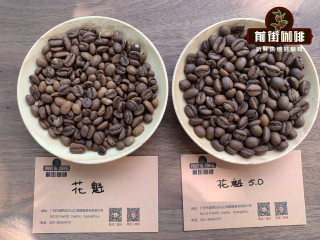
Which tastes better, Huakui coffee beans or Arabica coffee beans? Arabica coffee beans taste good.
Today, let's introduce what are Sakui Coffee beans and Arabica Coffee beans, and how did they come from? In 2017, Li Jianfei won the championship of the Chinese division of the World Brewing Competition by virtue of this sunflower kui coffee. This Sakuran broke the legend of Rose Summer and became a coffee with Rose Summer.

The peculiarity of Sidamo Sakui Coffee introduction to the geographical location, altitude and climate of Sakui Manor
Professional coffee knowledge exchange more coffee bean information please follow the coffee workshop (Wechat official account cafe_style) Sakui-GUJI, HAMBELLA this bean is one of the Arabica boutique, won the Ethiopian national coffee cup test 2017 season sun bean first honor. Sakuran, the sun bean, is able to reach the G1 level because of the selection.

Introduction to the Flavor of Sidamohan Bella Coffee Coffee is also called Huakui Coffee Bean.
Hambella is located in GUJI, Ethiopia's largest coffee producing region, and its administration is subordinate to Oromia. The west of Humbera is across the mountain from kochore, and the north-east is opposite the shakiso,Uraga and Kerchaz producing areas of Guji, respectively.
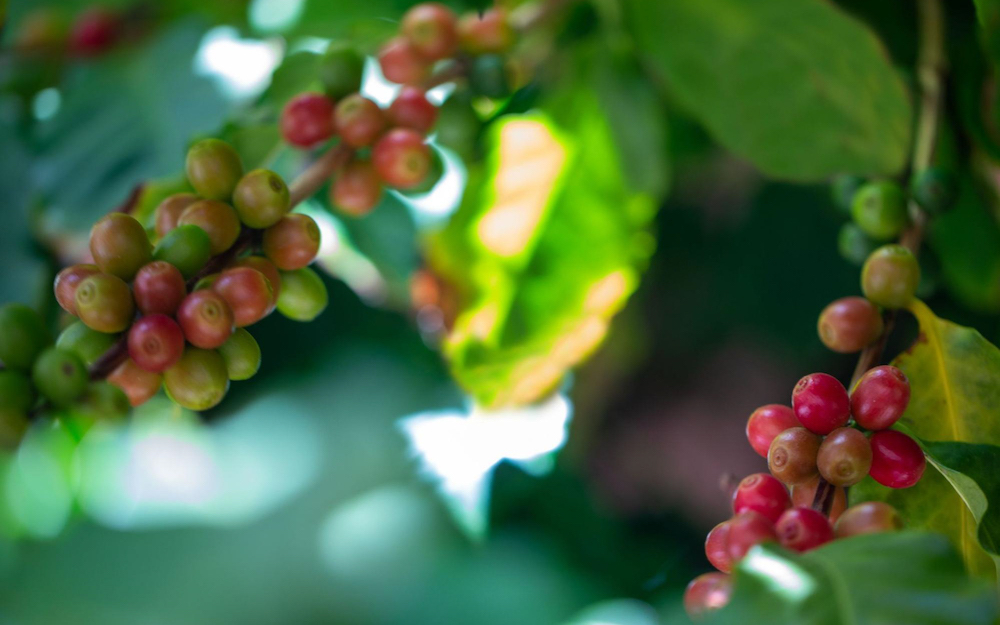
Sidamo Coffee Variety description, Flavor description, Taste, Sidamo hand Grinding scale Water temperature recommendation
Sidamo Coffee Flavor description characteristics Taste Flavor description Grinding scale Coffee Coffee Raw beans are grayish in some places thick and small in some places, soft and strong acidity, mellow and sweet and spicy, it is one of the courtyard coffee in the highlands of southern Ethiopia. What is different from ordinary African coffee is that West.

Flavor characteristics of Humbela coffee beans in Ethiopia sun Xidamoguji region, taste and cooking parameters
Professional coffee knowledge exchange more coffee bean information please follow the coffee workshop (Wechat official account cafe_style) Ethiopia Guji G1 Hambella Natural Ethiopian sun Hambela Valley Gegi G1 flavor: peach, citrus, blueberry, strawberry, rich fruit juice, delicate and rich flavor levels, high sweetness countries: Ethiopia: Guji

Ethiopia Xida Moguji Adora Simon specially treats sweet fruit bubble water
Professional coffee knowledge exchange more coffee bean information please follow Coffee Workshop (Wechat official account cafe_style) Front Street-Ethiopia Sida Moguji Adora Simon Special treatment Ethiopia has a long and profound history of coffee production and consumption, and is the country of origin of Arabica Coffee, the most famous and widely cultivated coffee variety in the world. Gujisidamo (Guji
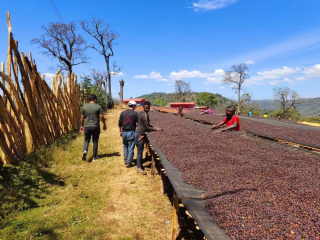
The Story of Sakui Coffee beans the characteristics of Ethiopian Sida Mohambela Coffee 6.0 Coffee in the New season
Professional coffee knowledge exchange more coffee bean information please follow the coffee workshop (Wechat official account cafe_style) EthiopianSidamoShakissoNatural Sakuran name: Ethiopia Sunshine Sidamo G1 Sakuran EthiopianSid

Introduction to the regional treatment of sun-dried coffee beans in Humbela Manor, Ethiopia
The regional treatment of sun-dried coffee beans at Humbera Manor in Ethiopia Yega Xuefei exudes an extremely complex aroma, showing an extremely excellent taste, which is difficult to describe. In general, the dry aroma of Yega Chuefei is full of fruit, with strong aromas of dried fruit, strawberry, mango and apricot jam. Wet fragrance is like sweet syrup, like sticky

Huakui Coffee Coffee Sidamo Gujigi Bella Sun-treated Coffee beans Story characteristics and Flavor description
Professional coffee knowledge exchange more coffee bean information please follow the coffee workshop (Wechat official account cafe_style) Ethiopian Sidamo Shakisso Natural Sakuran name: Ethiopia Sunshine Sidamo G1 Sakuran Ethiopian Sidamo Shakisso Natural Coffee country: Africa Africa, Ethiopia Ethiopia, Coffee Manor: Guji Gu
Composition analysis of coffee beans, details of food safety label
Professional barista communication please follow the coffee workshop (Wechat official account cafe_style) raw beans (unit: percentage) moisture: 11.3 fat: 11.7protein: 11.8sugar: 8.0essence: 17.1 caffeine: 1.3tannic acid: 6.0mineral: 4.2crude fiber: 28.6cooked bean moisture: 2.5fat: 13.2protein: 12.8sugar: 1.8essence

Analysis of Coffee Bean Composition
Coffee Bean Composition Analysis Green Bean (Unit: Percentage) Moisture: 11.3 Fat: 11.7 Protein: 11.8 Sugar: 8.0 Essence: 17.1 Caffeine: 1.3 Tannin: 6.0 Minerals: 4.2 Crude Fiber: 28.6 Cooked Bean Moisture: 2.5 Fat: 13.2 Protein: 12.8 Sugar: 1.8 Essence: 29.6 Caffeine: 1.3 Tannin: 4.0 Minerals
Introduction to the taste characteristics of the Jewish Emperor treated with wine stains and sunburn in Xida Mohan Bella Guji, Ethiopia
Professional coffee knowledge exchange more coffee bean information please follow the coffee workshop (Wechat official account cafe_style) front street-Ethiopia Sidamo Jewish Emperor wine stains sunburn introduction Ethiopia's southernmost well-known boutique coffee producing area, Sidamo, with a height of up to 46007200 feet above sea level. The main treatment of Sidamo is sun treatment and drying in the sun.
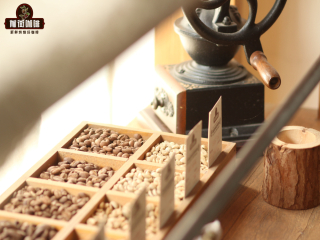
Description of Sidamo Coffee characteristics, Flavor and Taste introduction of hand-brewing methods of Huakui Coffee Bean varieties
Kaibei (official Wechat account vdailycom) found that the coffee tree has three native species, Arabica, Roberta and Liberia, with Arabica accounting for more than 70 per cent of the world's coffee bean production. Among them, the iron card variety belongs to the second generation of Arabica species.

West Damogu Ji-Mokanisha Processing Plant Introduction Ethiopia Administrative Division and Green Bean Naming Rules
Sidama is located in southern Ethiopia. The industry here is dominated by agriculture, with coffee-growing areas located around the Great Rift Valley. Sidamo coffee is very diverse. Different soil types, microclimates and numerous native coffee species, high mountains, highlands, plateaus, valleys and plains within the production area, and diverse terrain

[evaluation] what is the difference in the taste of sunburn and water-washed Sakuran? Which tastes better?
The exchange of professional baristas please follow the coffee workshop (Wechat official account cafe_style) in March this year, in the China Regional Brewing Competition held in Shanghai, there was a bean from Africa and Ethiopia, which shook one expensive pedigree after another in the posture of a common people, and repelled one by one, and finally lost only narrowly to the champion's Finca Deborah Rose Summer (last year).

Composition Analysis of Coffee beans basic knowledge of Fine Coffee
Raw bean (unit: percentage) moisture: 11.3 fat: 11.7 protein: 11.8 sugar: 8.0 essence: 17.1 caffeine: 1.3 Salmonic acid: 6.0 Minerals: 4.2 crude fiber: 28.6 cooked bean moisture: 2.5 fat: 13.2 protein: 12.8 sugar: 1.8 essence: 29.6 caffeine: 1.3 Salvianolic acid: 4 .0 mineral: 5.2 crude fiber: 29.

Grapefruit honey Guji Ethiopia Ye Jia Xue Fei washed G1 fine coffee beans fruit flavor
Professional coffee knowledge exchange More coffee bean information Please pay attention to coffee workshop (Weixin Official Accounts cafe_style) Ethiopia is widely regarded as the origin of coffee, and now it is greatly valued in the fine coffee industry. Coffee beans from Ethiopia have become a must-have item on the menu of coffee shops around the world. Why are Ethiopian beans treated so highly?

2022 Huakui 6.0 Coffee Bean Flavor Taste Description
Professional coffee knowledge exchange More coffee bean information Please pay attention to coffee workshop (Weixin Official Accounts cafe_style) Qianjie coffee-West Dharma Flower Kui Coffee Introduction In 2017, DW Raw Bean Company in Ethiopia sent their coffee beans to the competition TOH (theTa) sponsored by African Coffee Association

Analysis of the components of high-quality coffee beans with knowledge
Raw bean (unit: percentage) moisture: 11.3 fat: 11.7 protein: 11.8 sugar: 8.0 essence: 17.1 caffeine: 1.3 Salmonic acid: 6.0 Minerals: 4.2 crude fiber: 28.6 cooked bean moisture: 2.5 fat: 13.2 protein: 12.8 sugar: 1.8 essence: 29.6 caffeine: 1.3 Salvianolic acid: 4 .0 mineral: 5.2 crude fiber: 29.